

Module 2 –
A “War Within a War”: The Holocaust
Introduction
The Second World War began September 1, 1939, when the Nazi German army invaded Poland. While the Jewish population and other targeted groups had faced persecution and outright violence since Hitler’s rise to power in Germany, the war led to an expansion of these oppressive Nazi policies across continental Europe along with an escalation of violence. It also became a cover for the persecution of Jews, often referred to as a ‘war within a war.’
Events of the Holocaust and experiences of victims and survivors are dependent on a number of factors, including geographic location, the time period of the war, age of the individual, and hundreds of other incidental factors that could dramatically impact an individual’s experiences. Which means there is no single story of the Holocaust. As you hear Max describe what he lived through, keep in mind that his is one of millions of stories that shaped the history of the Holocaust.
Timeline
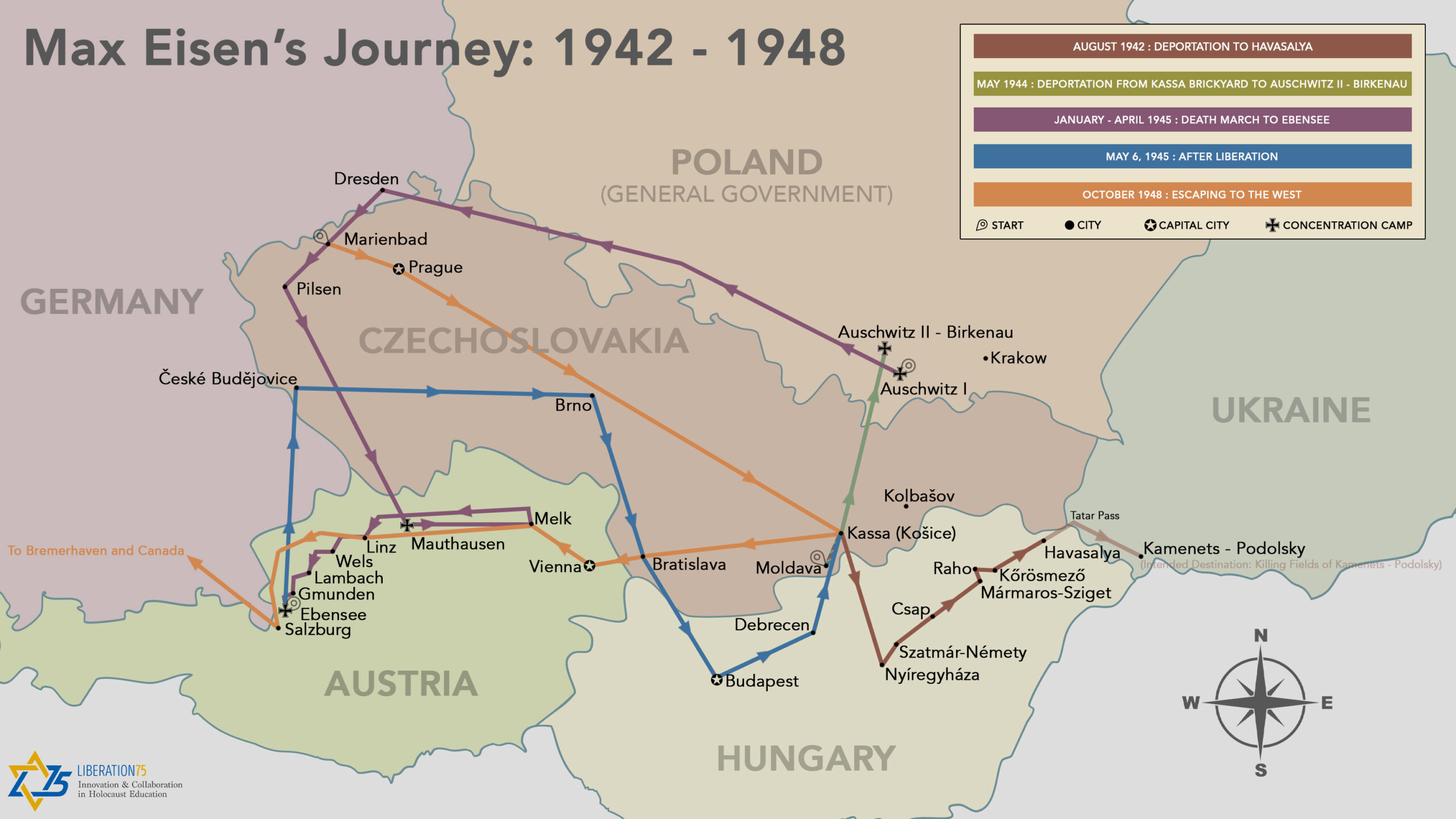
Using the timeline from September 1, 1939 to August 15, 1945 and Max’s testimony, place three key events in Max’s experience on the timeline. Include the date and write a paragraph to describe where Max was and what was happening to him.
Map
Explore Max’s journey across Europe from 1942-1948. Use the map to complete the task in the Timeline activity above.
Artefacts
Choose one of the artefacts and read the accompanying archival information. Focus in particular on how the artefact connects to Max’s testimony. Think about how the meanings attached to your artefact have changed or grown over time.
EINSATZGRUPPEN NOTICE

AUSCHWITZ TATTOO

PRISONER UNIFORM SHOES

SELECTION LIST

PHOTOGRAPHS OF TADEUSZ

STRETCHER

Objects Tell a Story:
-
How would different groups have perceived and interpreted this artefact?
-
How do you think this artefact was preserved, so that we can study it today?
-
Objects often begin as “things” in the background of our lives, and become “artefacts” over time and through our interactions with them. How has this artefact’s use changed over time? How has it’s meaning changed over time?
Testimony
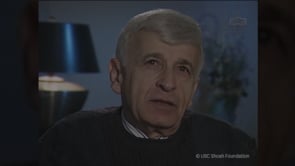
Max shared his testimony with audiences all over the world through a variety of forums. The video testimony we are drawing on for this program include his February 1995 Testimony for the USC Shoah Visual History Archive and his July 2018 testimony recorded for a virtual reality program with the USC Shoah Foundation.
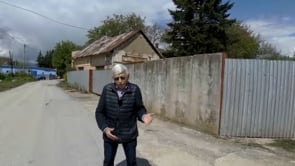
The Last Passover
The Last Passover
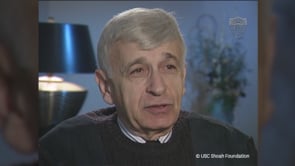
The Arrest
The Arrest
Forced Eviction to Brickyard
Forced Eviction to Brickyard
Transport to the East
Transport to the East
Arrival at Auschwitz Part I
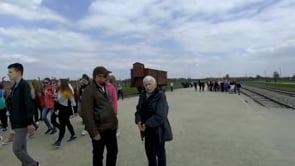
Arrival at Auschwitz Part I
Arrival at Auschwitz Part II
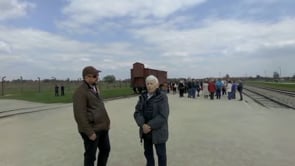
Arrival at Auschwitz Part II
Arrival at Auschwitz Part III
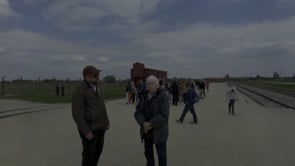
Arrival at Auschwitz Part III
Arrival at Auschwitz Part IV
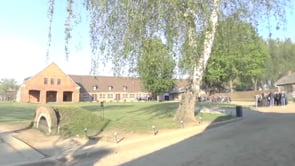
Arrival at Auschwitz Part IV
A Selection in Auschwitz
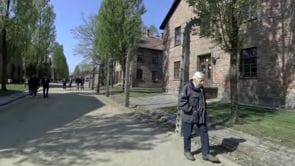
A Selection in Auschwitz
“The Beating that Saved My Life”
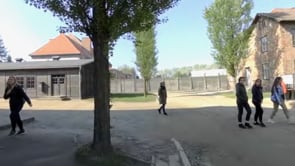
“The Beating that Saved My Life”
The Death March
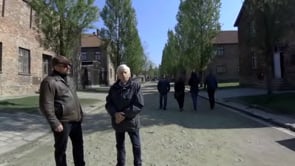
The Death March
Another March from Mauthausen to Ebensee
Another March from Mauthausen to Ebensee
Questions:
- Max and his family were arrested during Passover, an important Jewish holiday. In fact, many arrests and/or significant actions took place throughout the years of the Holocaust on Jewish holidays. Why do you think this was planned? Why is this significant?
- Re-tell Max’s arrival at Auschwitz. Be sure to include specific details that Max shared in his testimony.
- Explain how the “beating” Max received saved his life.
- Max, like many survivors, spoke about the importance of finding hope when he was being persecuted by the Nazis. Identify at least one example from Max’s testimony that you feel would have given him hope to survive.
- What attitudes or responses did Max witness from the non-Jewish population? Be sure to consider both the response of neighbours in Moldava when Max and his family were being arrested, as well as the passersby Max encountered on the death march.
- Write three questions you would like to ask Max about his time in Auschwitz.
ESSAY TOPICS
Choose one of the topics below and write an essay response to the question. Be sure to include an introductory paragraph with your thesis statement, as well as a conclusion to your essay. You should also have three arguments to support your thesis statement.
1. Responsibility & Complicity
2. Resistance & Rescue